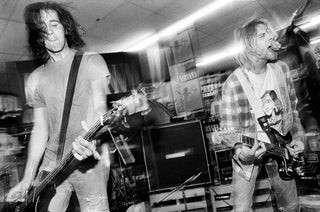
Keep Music Weird: The Alt-90s Explosion
A photography exhibition featuring seven acclaimed photographers who documented the rise of alternative music and its extraordinary breakthrough into the mainstream.
Alternative music had long thrived outside the commercial mainstream, rooted in the rebellious spirit of punk and sustained by independent record labels, mom-and-pop record stores, indie publications, grassroots venues, and devoted fans. Built on DIY ethics and a resistance to commercial conventions, these communities cultivated a musical culture that flourished long before the mainstream took notice.
From early promotional portraits to rambunctious live shots and candid behind-the-scenes moments, the exhibition features work by seven acclaimed photographers: Charles Peterson, Chris Cuffaro, Ebet Roberts, Jay Blakesberg, Karen Mason Blair, Lance Mercer, and Tony Mott.
Nirvana’s breakthrough in 1991, propelled by Nevermind and “Smells Like Teen Spirit,” changed everything. For a generation rejecting the materialism and corporate culture of the 1980s, alternative music offered a raw, irreverent expression of authenticity and independence. Major labels rushed to capitalize on alternative music’s growing popularity, signing or courting acts like Nirvana, Pearl Jam, Soundgarden, R.E.M., Red Hot Chili Peppers, Green Day, The Smashing Pumpkins, Alanis Morissette, Beck, Nine Inch Nails, Jane’s Addiction, The Offspring, The Cranberries, No Doubt, Garbage, Stone Temple Pilots, L7, The Breeders, Bikini Kill, Sonic Youth, Mudhoney, Babes in Toyland, Liz Phair, PJ Harvey, Erykah Badu, The Flaming Lips, and the Melvins, bringing artists from previously independent and underground music scenes into the commercial mainstream. Their arrival challenged traditional ideas about what popular music could sound like and who it could reach.
Keep Music Weird celebrates the artists and independent spirit that helped shift the center of gravity in the music industry. The movement's influence extends far beyond the 1990s, laying the groundwork for today's independent music culture, where the DIY ethos continues through new technologies that allow artists to produce, publish, and promote their music while connecting directly with audiences. Ultimately, the alternative explosion reminds us that music thrives when artists are free to challenge conventions, defy expectations, and take it somewhere unexpected. That's why we need to keep music weird.